Compare
Which Kyoto sumo show to book?
A 70-minute demonstration in Nakagyō, or a longer event near Marutamachi whose title lists a mawashi try-on, a meal and photos. How they differ.
Book the sumo show ↗Quick answer
Choose the 70-minute show for a short, low-commitment first look at sumo, with a ring challenge for selected guests. Choose the longer event near Marutamachi for a fuller evening: it runs from about 105 minutes to 2 hours, its title lists a mawashi try-on, a meal and photo options, and its page says anyone who wants to may challenge a wrestler. Compare the two booking pages before you pay, because food, length and the challenge differ.
The short answer
These are two different Kyoto sumo bookings, at two different venues, and they are built for different evenings. The Nakagyō show runs 70 minutes, has an English-speaking host, and offers a ring challenge to selected guests. The second event, near Marutamachi, runs from 105 minutes to two hours and is titled as an event with a mawashi try-on, a meal and photo options. If you have one free hour, the first is the easier fit. If you want sumo to be the evening, the second is built for that. Neither is a tournament.
What the 70-minute show lists
The booking page for the Nakagyō show lists real sumo wrestlers who demonstrate techniques and compete in live matches a few metres away, an English-speaking host who explains the rules and customs, a ring challenge for selected guests, and photos with the wrestlers. It says no sumo knowledge is needed and that the show suits all ages. It describes no meal, and it does not say which ranks the wrestlers held. A recent reviewer calls it informative and funny and not a serious bout, which is a fair summary of the format.
Read next: Can you see real sumo in Kyoto?
What the second event lists
The second event's page describes an interactive sumo event with a multilingual host. It says it is the only place in Kyoto where former top-division sumo wrestlers perform, and that guests who want to challenge a wrestler can step into the ring. It also says guests can wear a sumo mawashi, and that a traditional sumo meal, chankonabe among it, is served at the table. These are the event's own claims, written by the operator, so read them as that. The title's phrase about meal and photo options suggests the extras vary by ticket, and its page also lists a small-group option, so look closely at which ticket type you select.
Length and pace
The gap in length is the plainest difference. The Nakagyō show lasts 70 minutes, and the second event's page gives 105 minutes to two hours. A shorter booking also leaves the rest of the evening free, which helps if dinner is already arranged. Nothing about the shorter show is thin: it packs the host, the demonstration, the matches and the challenge into one hour. The longer event has room to add a meal and the mawashi try-on without rushing the rest. Check the starting times on each calendar, because neither page fixes them, and plan the evening around the one you pick rather than squeezing both into a single night.
The ring challenge, side by side
This is where the two pages diverge most. The Nakagyō show says selected guests may step into the ring, and gives no rule for the selection, so a turn is a possibility rather than a promise. The second event's page says anyone who wants to challenge a wrestler can step in. If a turn in the ring is the reason you are booking, that difference matters more than any other. If you are happy to watch, it matters much less, and the shorter show may be the better fit.
Food and drink
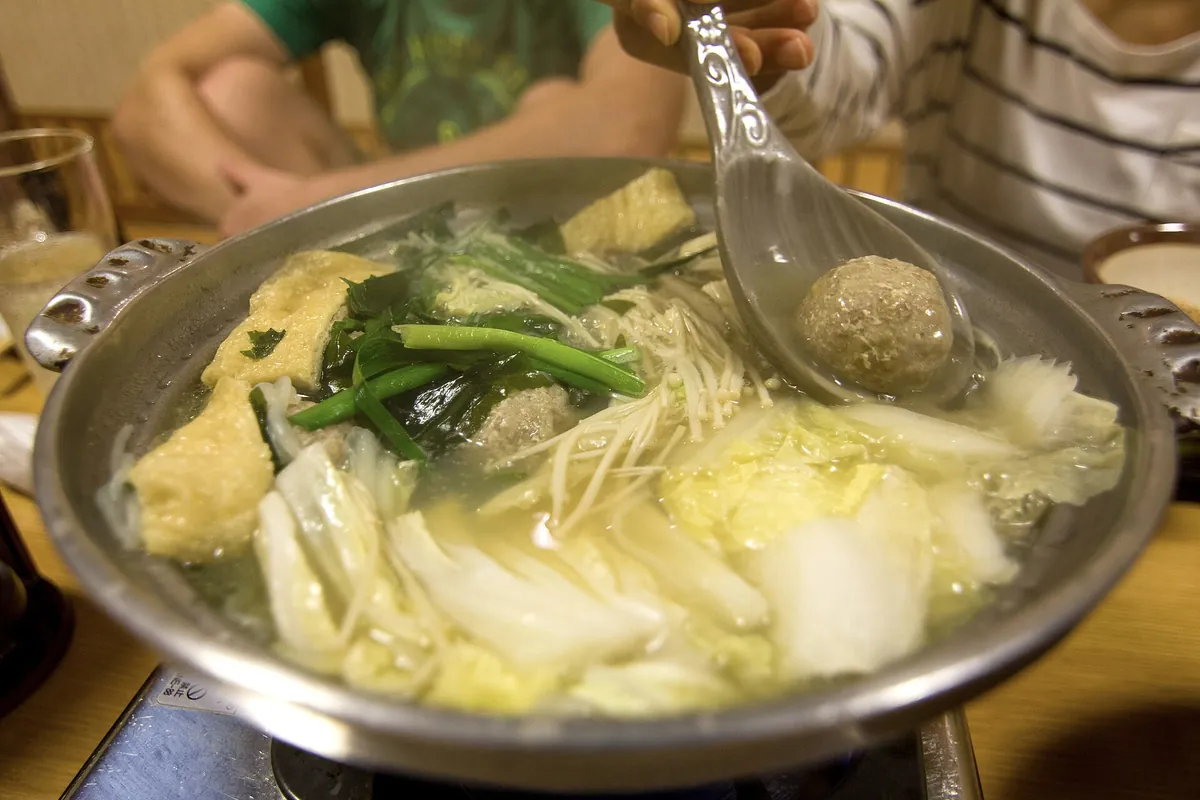
The Nakagyō page describes no meal, so plan dinner separately. The second event's title lists meal options, and its page mentions chankonabe served at the table. Wikipedia describes chankonabe as the protein-rich stew eaten daily in sumo stables, usually with large amounts of rice. Which meal you get depends on the ticket you pick and the time you attend, so read the option names on the calendar before you choose. This guide prints no menu and no prices, since both change, and the booking calendar shows the cost in your own currency.
What a mawashi is
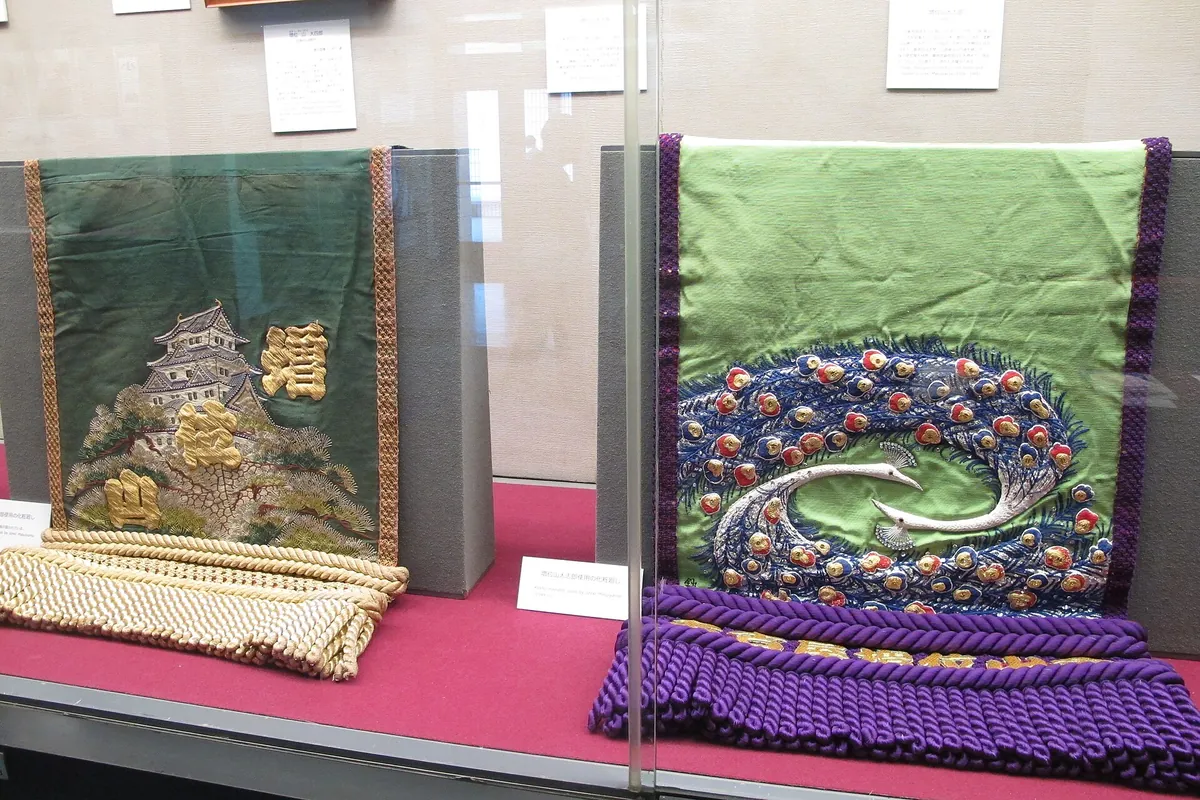
A mawashi is the loincloth sumo wrestlers wear in training and competition. Wikipedia gives a silk one for top-ranked wrestlers in competition as about nine metres long unwrapped and about 0.6 metres wide, wrapped several times round the body and fastened with a large knot at the back. Lower-division wrestlers wear black cotton. A mawashi try-on on the second event's page therefore means wearing a version of that belt yourself. Whether the one you try matches a tournament belt is not stated, so treat it as a chance to feel the idea of it.
Where each one meets
The Nakagyō show meets on the basement level at Shimizu-chō 359, north of Nijō, in Nakagyō Ward. The second event's page says it is a minute's walk from exit 6 of Marutamachi station and seven minutes by subway from Kyoto Station. These are the operators' own directions, so check the map link on each confirmation. The two are in different parts of central Kyoto, so choose the one that fits your day. Kyoto's central wards follow a street grid and streets are known by name, which makes either address easy to find once you have the map open.
Booking terms
Each page shows cancellation with a refund when you give a day's notice, and reserve now and pay later, on tickets booked through GetYourGuide. Do not assume a start time from either page: open the calendar for your date before making dinner plans. The second event's page also offers a small-group option and says it is wheelchair accessible. The Nakagyō page says the show suits all ages and asks you to wear comfortable clothing suitable for physical activity. Check both lists, because the terms are not identical and can change.
Reading the claims
Both pages are written to sell. The second event calls itself the only place in Kyoto where former top-division wrestlers perform and the only venue where guests wear a sumo mawashi. Those are superlatives from the operator, and this guide cannot confirm them. The Nakagyō page makes no such claim and says only that real sumo wrestlers perform. What you can check is concrete: the length, the challenge rule, the food listed and the meeting point. Compare those, not the adjectives, and book on the facts that matter to your own evening.
Making a night of it
Whichever you choose, central Kyoto makes it easy to extend the evening. Wikipedia lists Nishiki Market, Nijō Castle and the Kyoto Art Center among the sights of Nakagyō Ward, and the Takase canal runs through the area. This site's Kyoto booking list also carries a Gion night walking tour and a wordless theatre show, either of which can sit on a different evening of the same trip. Keep the sumo evening itself simple: arrive early, wear clothes you can move in, and leave dinner plans open until you know which ticket you hold.
Who should skip each
Neither booking is for someone who wants ranked competition: only a Grand Sumo tournament, in another city, supplies that. The Nakagyō show is not for anyone who wants a meal as part of the ticket. The longer event is not for someone with only an hour to spare. And if what you want is to see a wrestler's home life and training, neither show is a stable visit, so look at that separately and check what it requires before you plan around it.
How to choose in a minute
Ask three questions. How long do I have: one hour, or most of an evening? Do I want a meal as part of it? Is a guaranteed turn in the ring the point? If you answered one hour, no meal and no, book the 70-minute show in Nakagyō. If you answered most of the evening, yes and yes, read the second event's page closely and book that. If you are torn, the shorter show is the lower-commitment way to find out whether sumo grips you at all. Whichever you pick, open the calendar early, because availability and starting times vary by date.
Read next: The Kyoto sumo show, part by part
Frequently asked questions
Are these two shows at the same venue?
No. The Nakagyō show meets on the basement level at Shimizu-chō 359. The second event is near Marutamachi station, according to its own page. They are separate bookings.
Which one lets everyone challenge a wrestler?
The second event's page says anyone who wants to may challenge a wrestler. The Nakagyō page says selected guests may, and gives no selection rule.
Which one includes a meal?
The second event's title lists meal options and its page mentions chankonabe at the table. The Nakagyō page describes no meal. Read the option names on the calendar.
How long does each one last?
The Nakagyō show lasts 70 minutes. The second event's page gives about 105 minutes to two hours. Neither page fixes the start time, so open the calendar.
Is either one a real tournament?
No. Grand Sumo is staged in Tokyo, Osaka, Nagoya and Fukuoka. Both Kyoto bookings are staged events for visitors.
Can I cancel either booking?
Both pages offer free cancellation up to 24 hours ahead on tickets booked through GetYourGuide. Read the terms for your own date before relying on them.
Sources